

Open source · Self-hosted · Apache 2.0
Turn scattered health data into answers you can trace.
Bring lab reports, wearable data and genetic files into one standardized record. Run Mirobody with Docker, using a cloud model or models on your own machine.
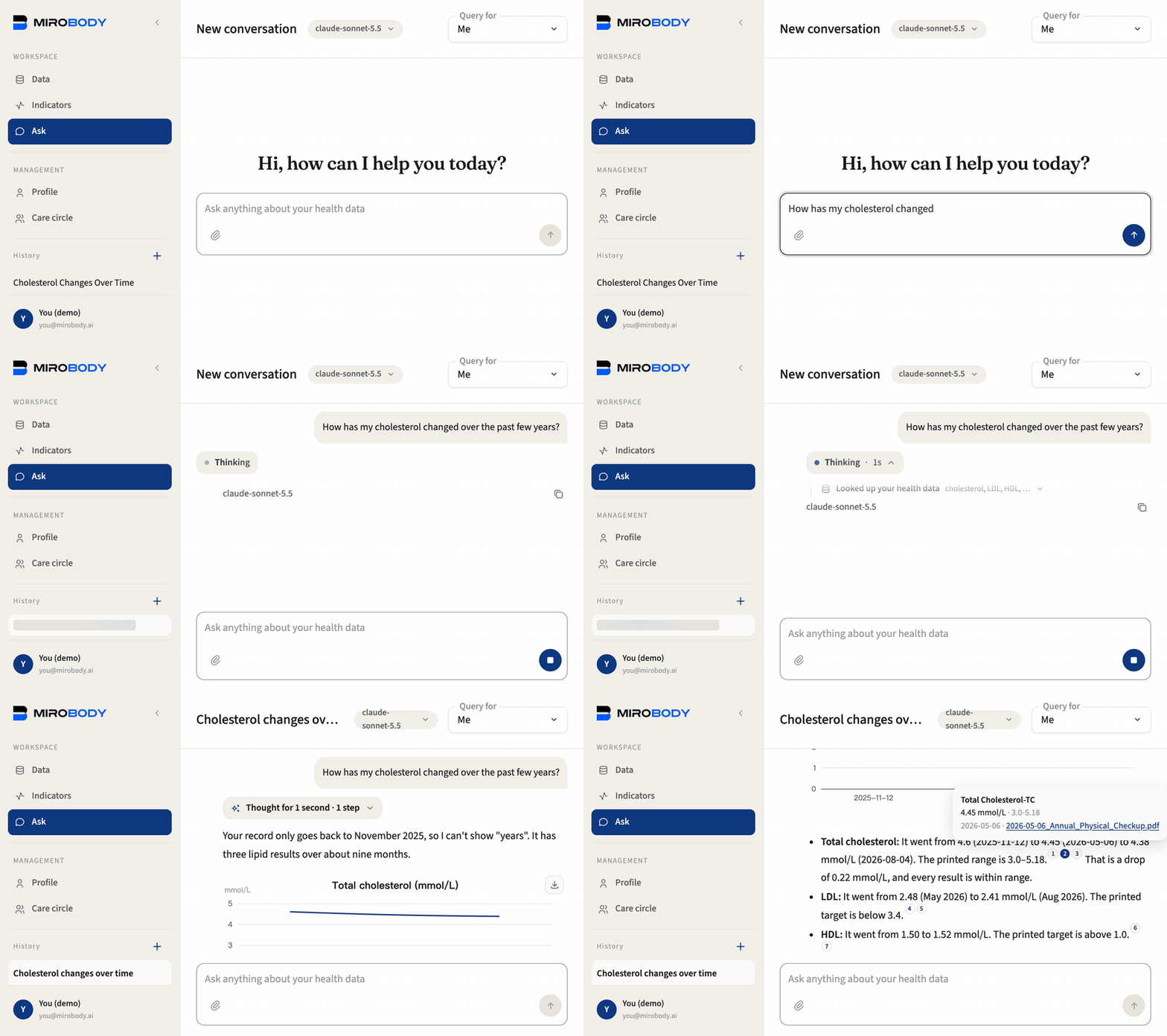
Three reports, three names for the same test. One trend, with the file behind every number.
What is Mirobody?
Mirobody is an open-source health-data engine. It brings reports, device data, photos and genetic files into a shared record, standardizes recognized names and units, and lets you ask questions with references to the original sources. Built by Theta Health, it powers the Theta Wellness app and is available under the Apache 2.0 license.

Collect, translate, and ask: the three stages from a source file to a traceable answer.
Getting started
Run it with Docker
Start the web app and demo records with
./deploy.sh, then choose a cloud or local model. Your records stay in your own Postgres database.Try the walkthrough
Upload, standardize, ask across reports, share with family, write a journal entry.
Keep every model on your machine
Run models locally with llama.cpp. Check hardware requirements and setup instructions for your platform.
Connect your own agent
Query your records from Claude Code, Codex, Cursor or Gemini CLI through MCP.
Resolve names in Python
pip install mirobody: names to LOINC and units to UCUM, offline, with no key.Deploy on a server
Production settings, secrets, HTTPS, upgrades and backups.